Description
Description
Product Attributes: Ordinary
Package Size: 300*200*40(1mm)
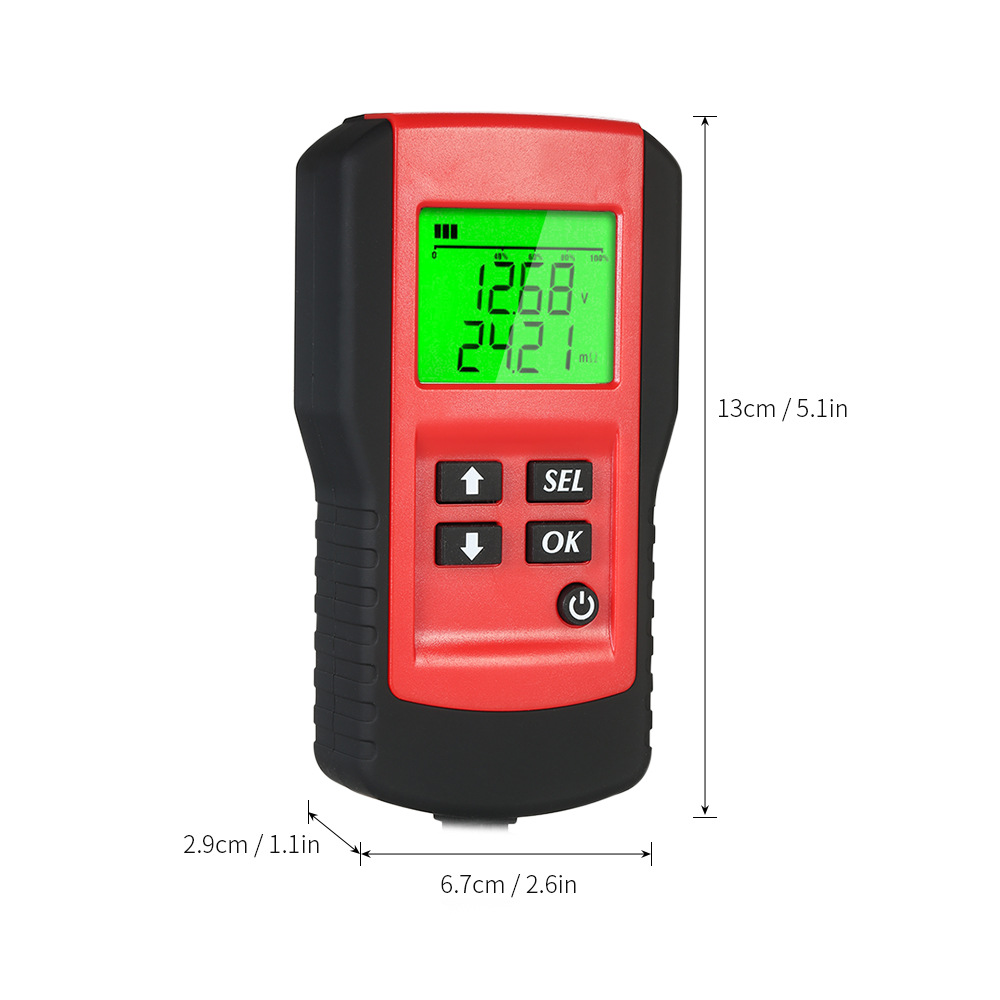
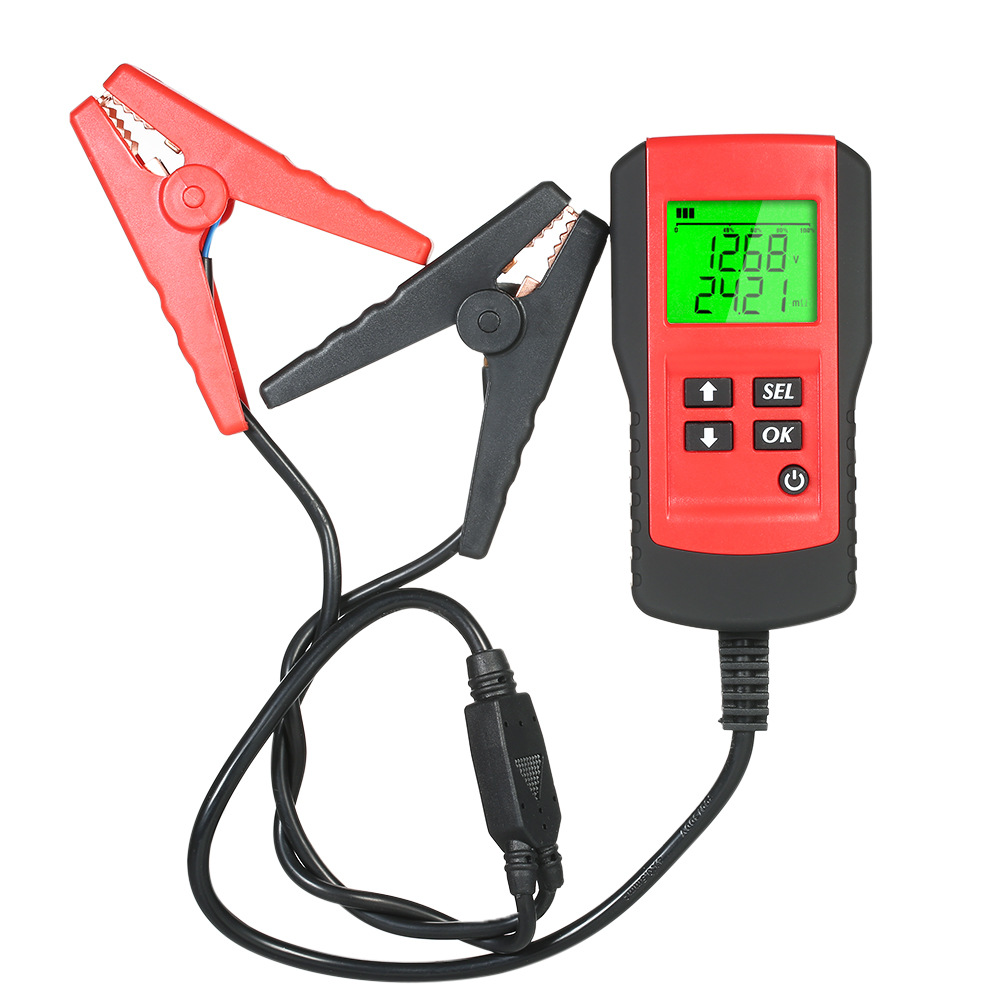
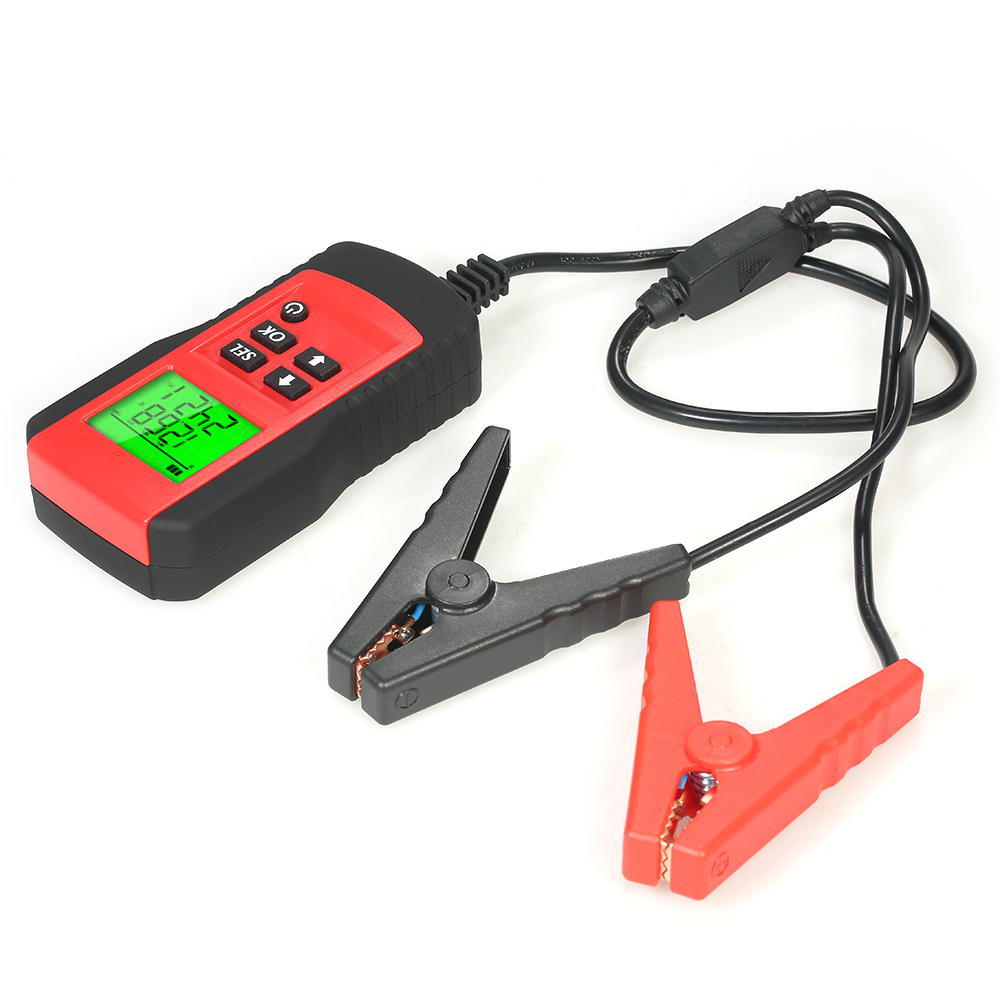
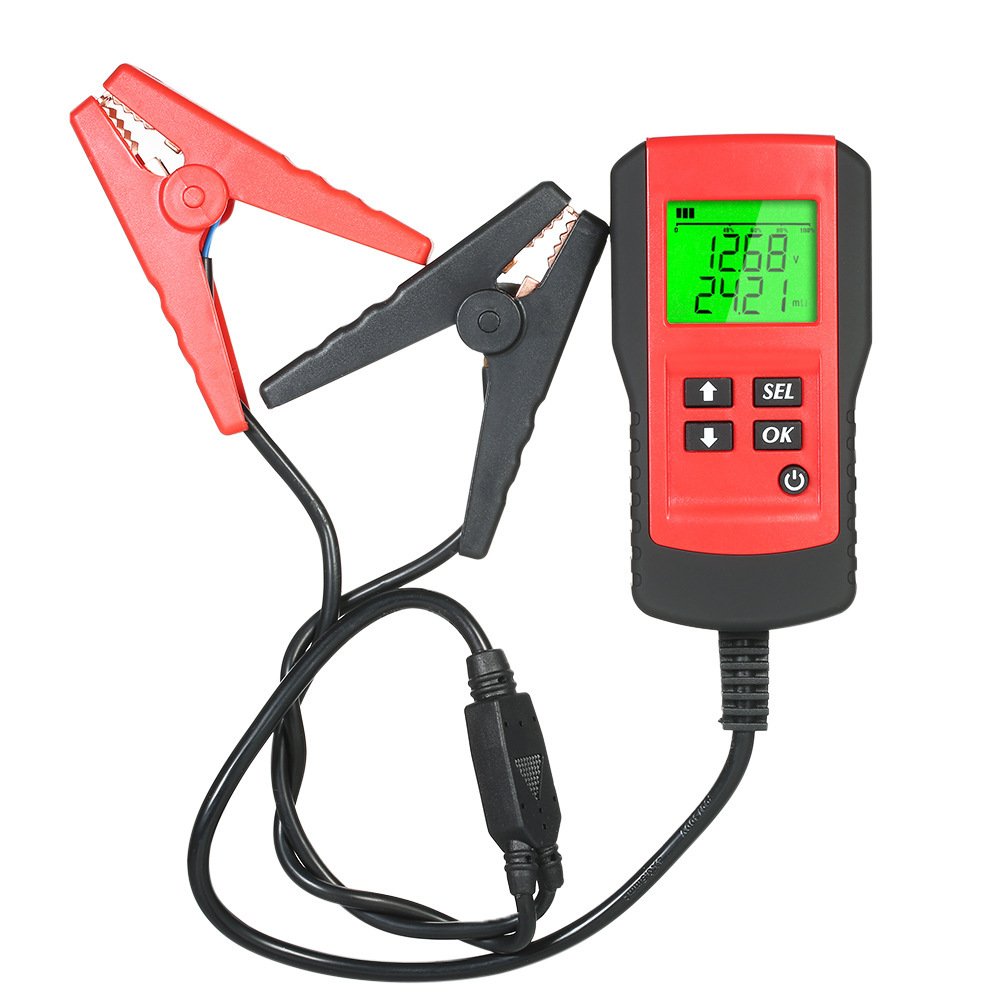
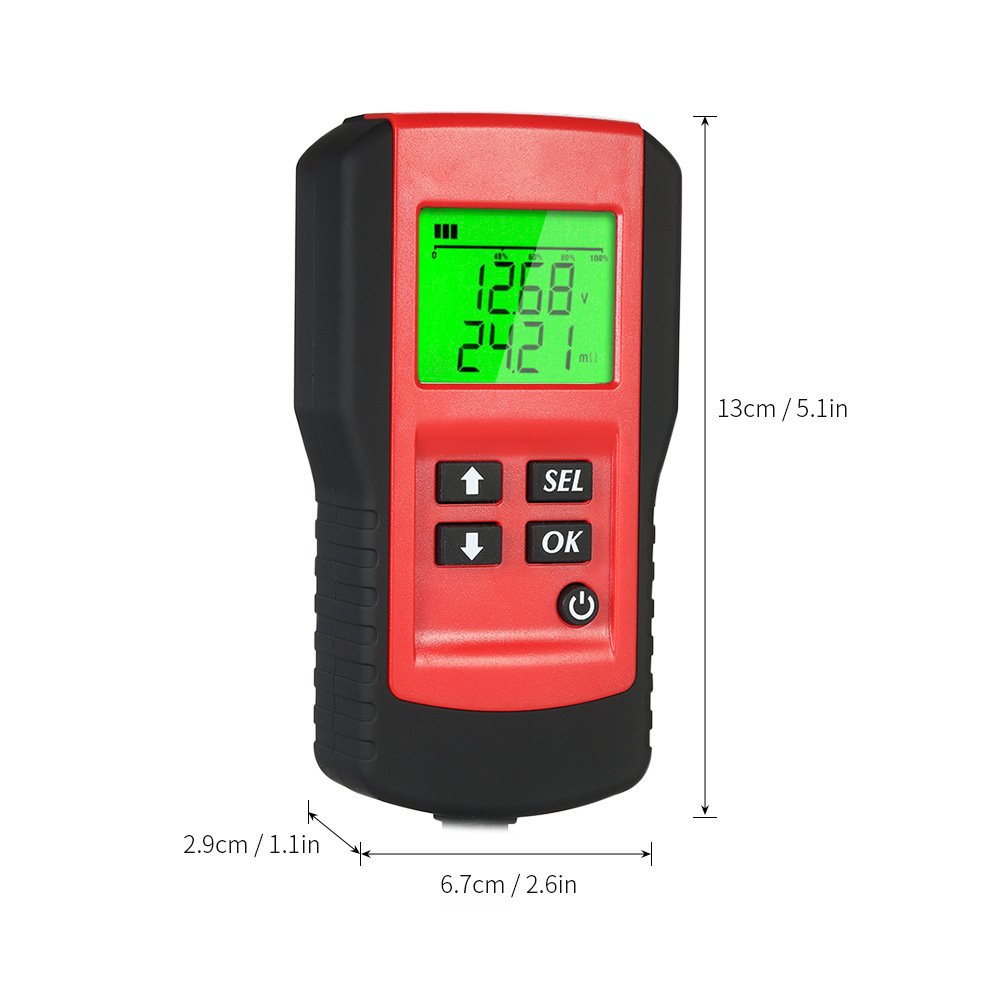
An automobile battery tester is a crucial tool for assessing the health and performance of a vehicle’s battery. Here’s an overview of its key features, types, benefits, and considerations:
Key Features:
- Load Testing:
- Many testers simulate a load on the battery to measure its ability to hold voltage under stress, providing a clear indication of battery health.
- Voltage Measurement:
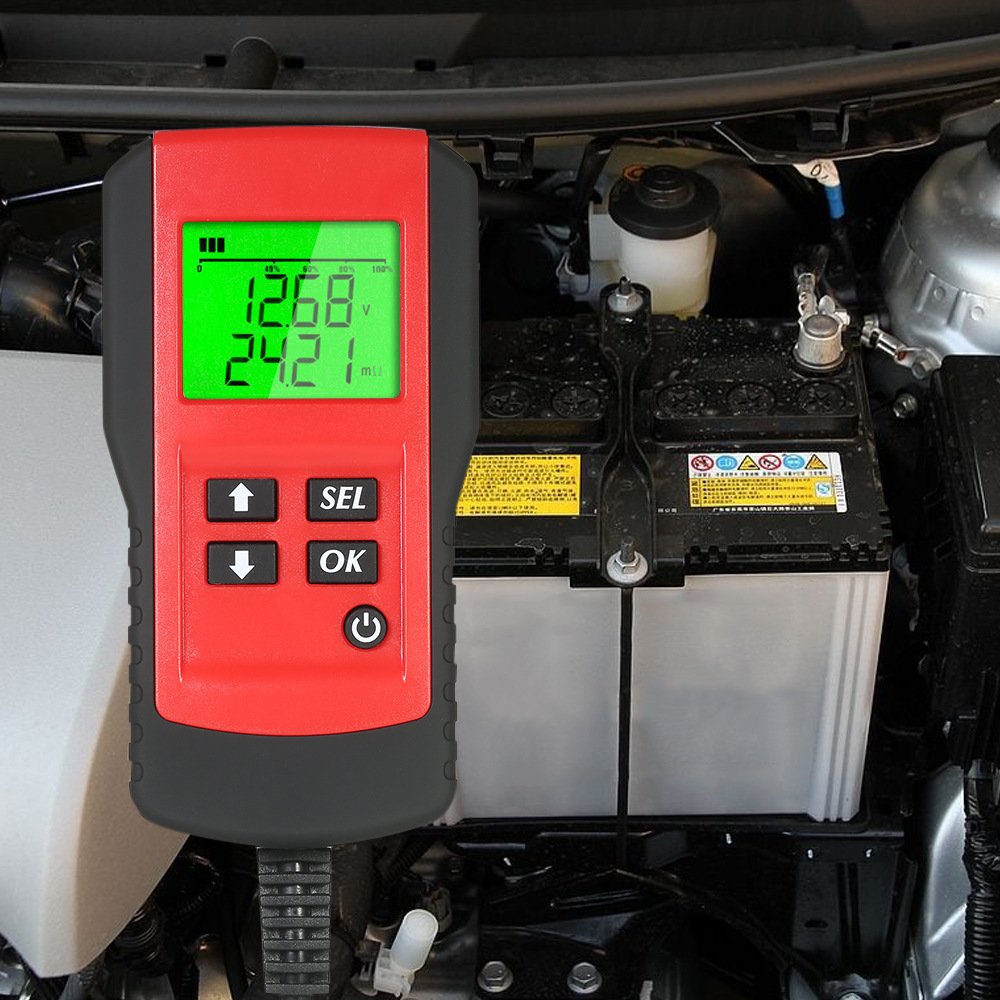
- Displays the current voltage of the battery, helping to determine if it’s adequately charged or if it’s time for a replacement.
- Battery Type Compatibility:
- Suitable for various battery types, including lead-acid, AGM (Absorbent Glass Mat), and lithium-ion batteries.
- Temperature Compensation:
- Some models account for temperature variations, ensuring accurate readings in different environmental conditions.
- Digital Display:
- Many testers come with an easy-to-read digital display that shows voltage and health status clearly.
- Built-In Printer:
- Some advanced models can print out test results for record-keeping or for sharing with customers (useful in professional settings).
- Portable Design:
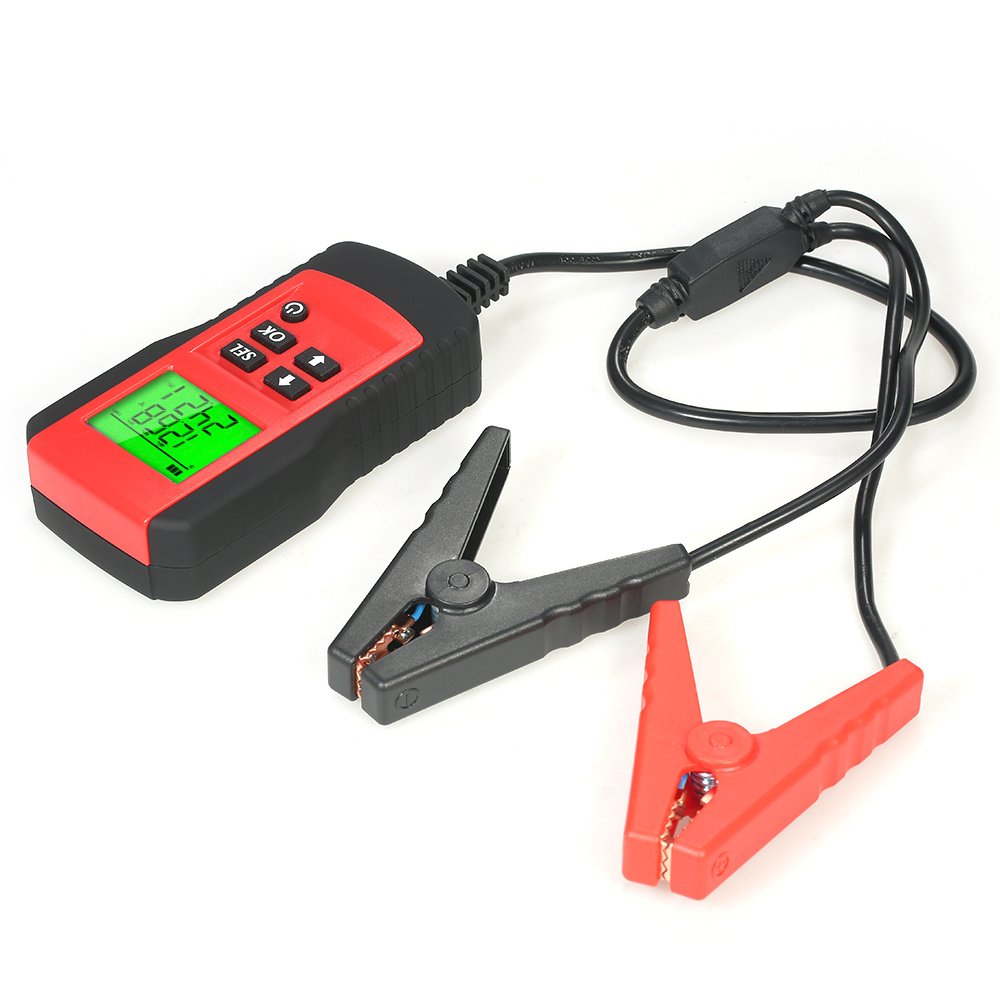
- Typically compact and lightweight for easy use and storage.
Types of Battery Testers:
- Analog Battery Testers:
- Simple devices that use a dial gauge to indicate battery condition. They can be less accurate than digital testers.
- Digital Battery Testers:
- Provide more precise readings and often include additional features like load testing and data logging.
- Smart Battery Testers:
- Connect to smartphones or tablets via Bluetooth, offering advanced diagnostics and additional features through a dedicated app.
- Multimeter:
- While not exclusively a battery tester, a multimeter can measure voltage and resistance, allowing for basic battery diagnostics.
Benefits:
- Early Detection: Helps identify weak or failing batteries before they lead to breakdowns, enhancing vehicle reliability.
- Cost Savings: Regular testing can prevent unnecessary replacements and extend battery life.
- Improved Performance: Ensures your battery is operating optimally, which can enhance overall vehicle performance.
- User-Friendly: Many models are designed for both professional mechanics and DIY enthusiasts, making them accessible to all users.
Considerations:
- Accuracy: Look for testers that have good reviews regarding accuracy and reliability.
- Features: Choose a model that fits your specific needs, whether for basic testing or more advanced diagnostics.
- Price: Battery testers come in a range of prices; consider your budget and how frequently you’ll use the tool.
- Warranty and Support: Check for warranties and customer support options in case of issues.
Conclusion:
An automobile battery tester is a valuable tool for anyone who wants to maintain their vehicle’s battery health. Whether you’re a professional mechanic or a DIY enthusiast, having a reliable tester can help prevent issues and ensure your vehicle runs smoothly. Be sure to research and choose a model that best suits your needs!
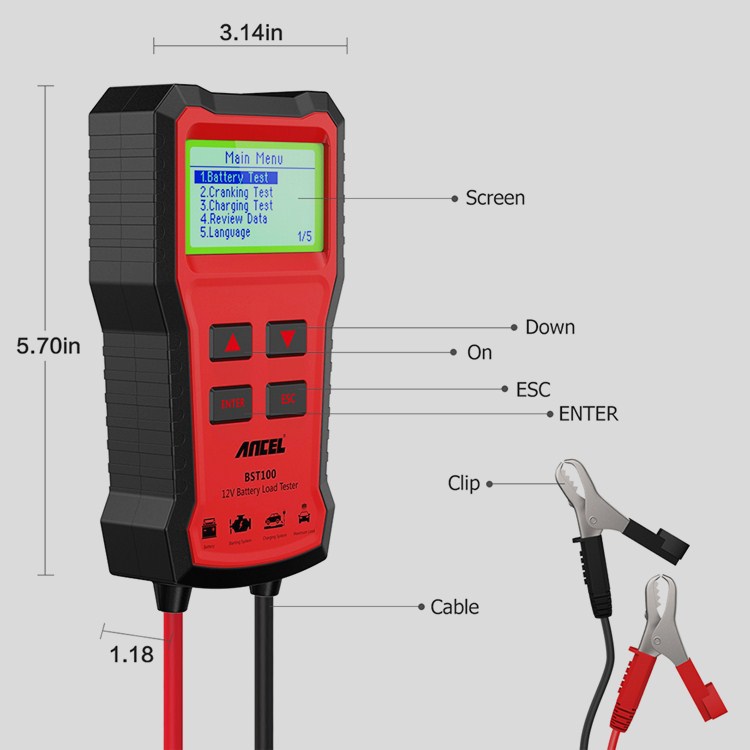
100% Original Ancel BST100 Car Battery Tester Multi Languages 12V AGM GEL Cell 100-1100CCA 30-100Ah Battery System Detect Automotive Diagnostic Tool
ANCEL BST100 Function
1.Identify battery status Good or Replace
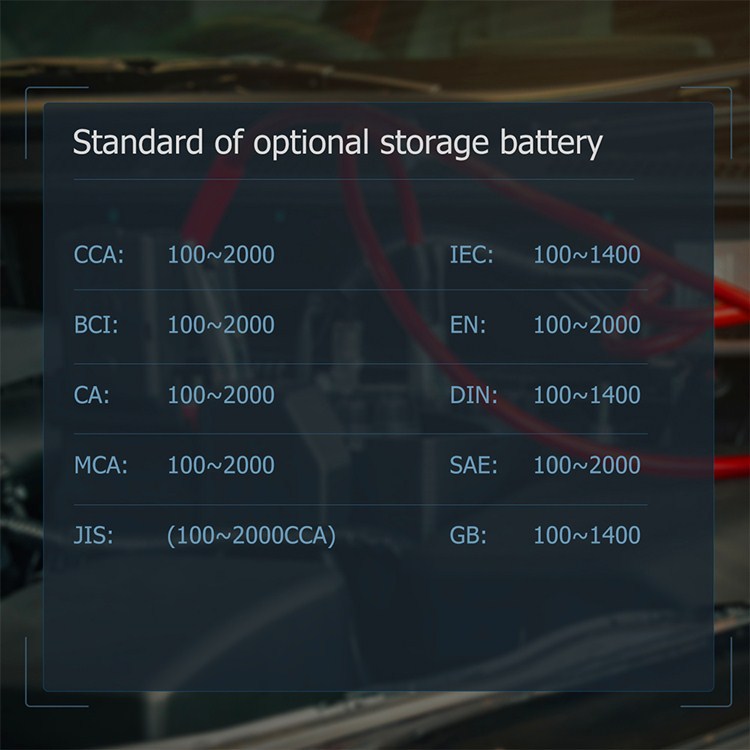
2.Check Battery Capacity – Cold Cranking Amps (CCA), DIN, EN and IEC information relative to battery rating.
3.Check Internal resistance value (Ohm)
4.Display battery life in percentage (%)
5.Battery Cranking Test, load test
6.Battery Charging Test, Ripple Test
7.Support battery ripple test and review test data





Reviews
There are no reviews yet.